
Each year, web development becomes more advanced, opening the door to innovation and new opportunities. In 2025, websites promise to become smarter, faster, and more flexible thanks to trends that anyone aiming to stay ahead should adopt. Here are the key technologies awaiting us and how they could transform business approaches.
Artificial Intelligence and Automation: When Websites Think for Themselves
Artificial intelligence has already significantly impacted web development, but the future holds even more personalization and automation. AI will automate routine processes and greatly enhance user experience.
Example: Our own project for an insurance company features an AI consultant that interacts with users via a 3D avatar, either through voice or text. It answers client queries and can display complex diagrams or tables based on the request. This simplifies consultations and saves time for both clients and the company.
AI technologies will help websites analyze visitor behavior, provide real-time recommendations, and adapt to the needs of each user. Powerful algorithms will solve tasks that once seemed complex and labor-intensive.
WebAssembly: A New Level of Performance
WebAssembly (Wasm) is becoming the foundation of high-performance web applications. Developers can write code in languages like C++ or Rust, which will run in browsers at incredible speeds. This opens the door for applications comparable to desktop software.
Example: Video editors, complex 3D rendering tools, and big data processing apps now work quickly and smoothly, offering performance levels once deemed impossible.
Web3 and Decentralization: Transparent, Secure, and Interactive Internet
Web3 represents the future of the internet, where user data is secure, and interactions between participants are transparent and safe. Built on blockchain technologies, Web3 enables decentralized applications (dApps), removing intermediaries and reducing risks of data leaks or unauthorized use.
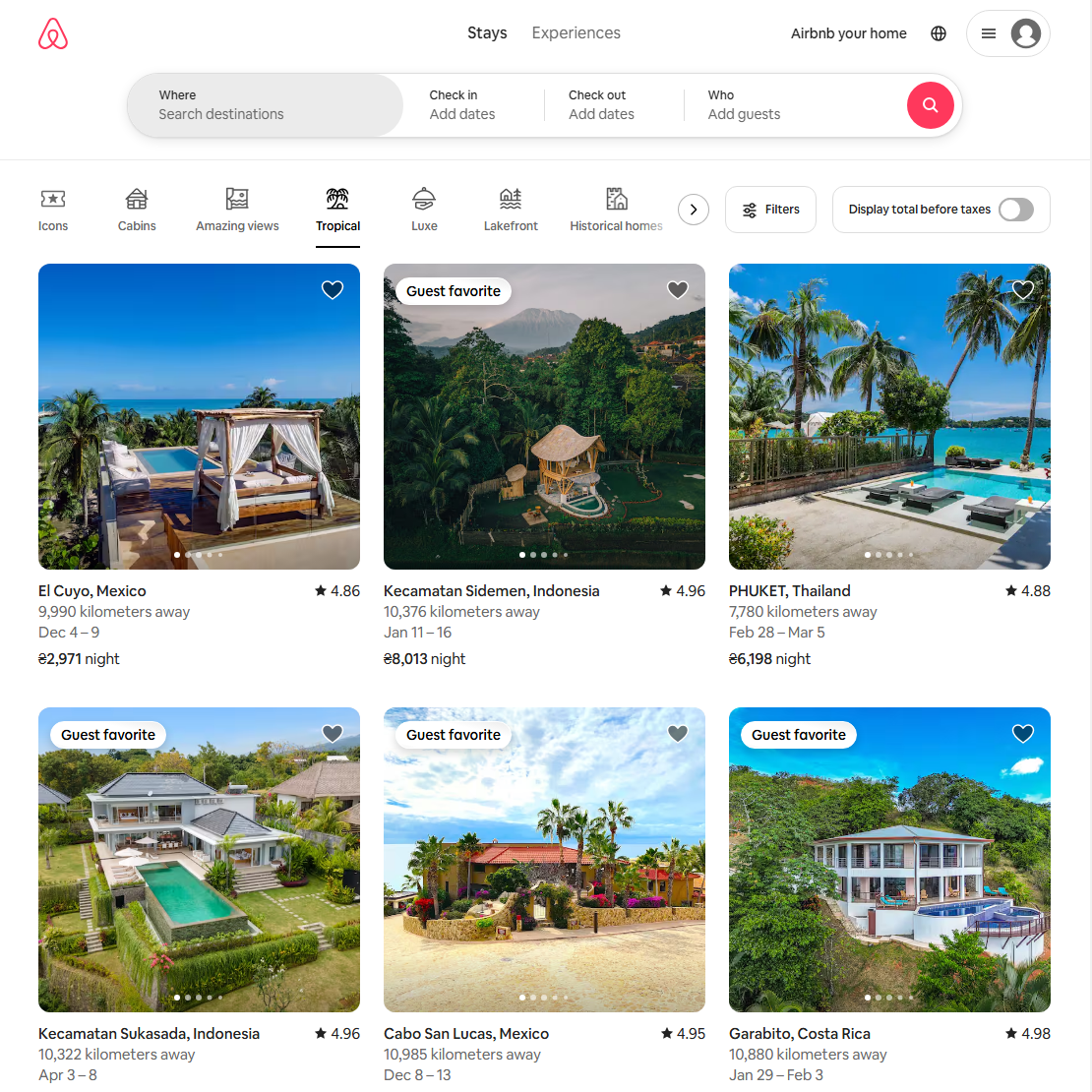
Beyond financial applications and NFT-based platforms, Web3 also drives the development of metaverses—virtual spaces where users can interact in real-time with each other and digital objects.
In metaverses, users can:
Example: Decentraland allows users to buy virtual land as NFTs, build structures, host events, and monetize their spaces. Transactions and ownership are recorded on the blockchain, ensuring maximum transparency and security.
Progressive Web Applications (PWA): Power and Mobility
PWAs are websites that function like mobile apps, providing instant content access, offline functionality, and interactivity on par with native apps. In 2025, PWAs will become even more powerful, with extended support for device features like GPS, cameras, push notifications, and seamless system integration.
Example: An e-commerce site functioning as a PWA can instantly load, offer offline access to product catalogs, and send discount notifications. Users can easily add the PWA to their home screens.

Voice Interfaces: Communication Without a Keyboard
Voice interfaces are becoming increasingly important. As more people use voice assistants, developers will need to consider voice search and commands when creating websites. Integrating voice control and adapting content for voice queries will enhance accessibility and user convenience.
Example: A travel platform supporting voice interaction, e.g., “Find me a flight to London for the weekend.” Such optimization makes the site convenient for users accustomed to modern technology.

Cloud Technologies and Serverless Architectures: Flexibility and Security
Cloud solutions store and process data in distributed centers, freeing companies from managing physical servers. Serverless architectures speed up functions and improve security, as data processing is distributed.
Example: An educational platform running entirely on the cloud ensures seamless access to courses for students while allowing developers to scale the project easily.

3D Graphics and Animation: The Next Level of Engagement
3D graphics and animation are now more than just trendy elements; they’re essential tools in web design. Technologies like WebGL and Three.js enable captivating 3D effects optimized even for mobile devices.
Interactive 3D models are valuable tools in e-commerce and tourism, allowing users to rotate, zoom, and explore objects as if in real life, enhancing engagement and brand interaction.
WebXR: Elevating Visualization — Websites as 3D VR Scenes
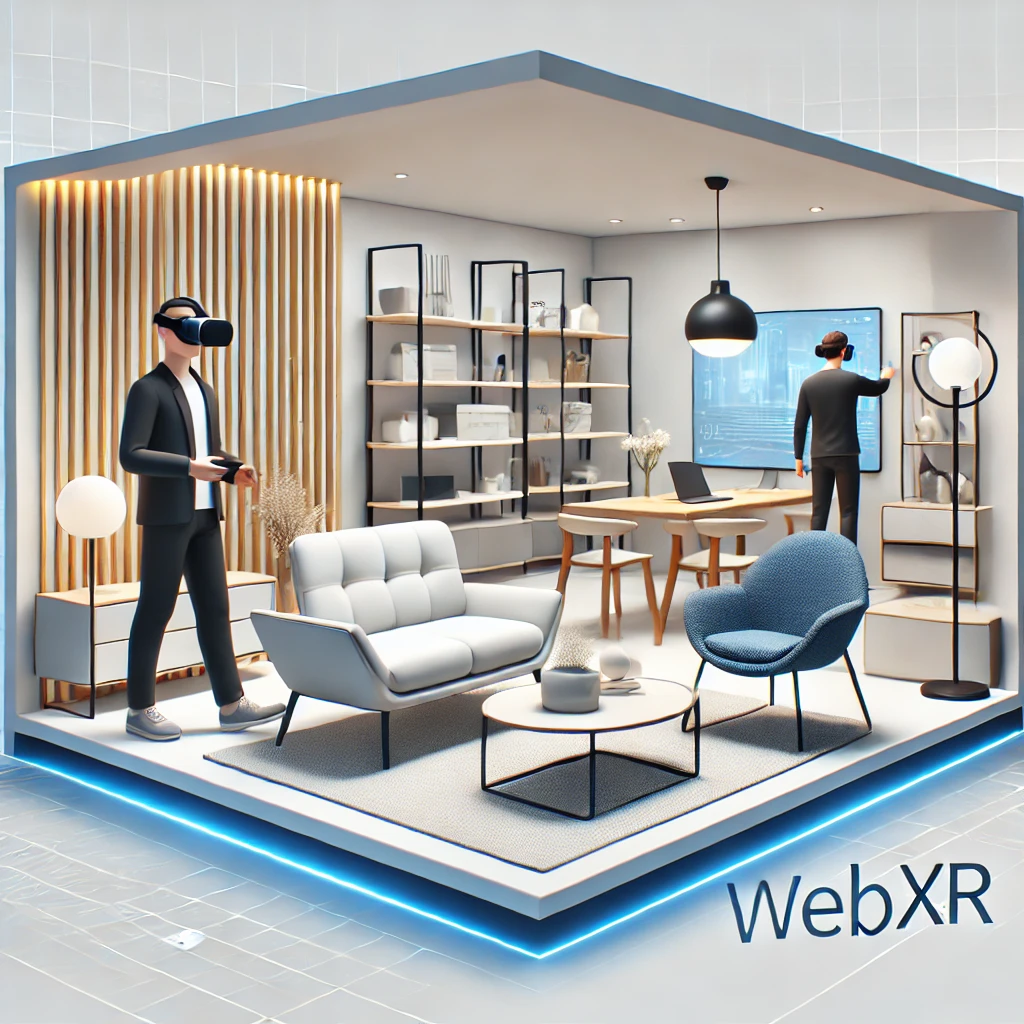
WebXR enables websites to transform into interactive 3D scenes accessible via both desktops and VR devices. This technology creates unique web applications that adapt to users’ devices, offering innovative experiences.
Example Usage:
Trends of 2025 promise to make websites not just visually appealing but incredibly functional, helping businesses stay current and offering clients the best user experience.


