
Modern technologies are transforming the real estate market, and virtual reality (VR) is becoming one of the key tools for developers, realtors, and buyers. VR in real estate simplifies the selection process, allows for remote 3D tours, and enhances customer engagement. In this article, we’ll explore how virtual reality is transforming the industry, what technologies are being used, and what benefits developers and agencies gain.
How Does VR Work in Real Estate?
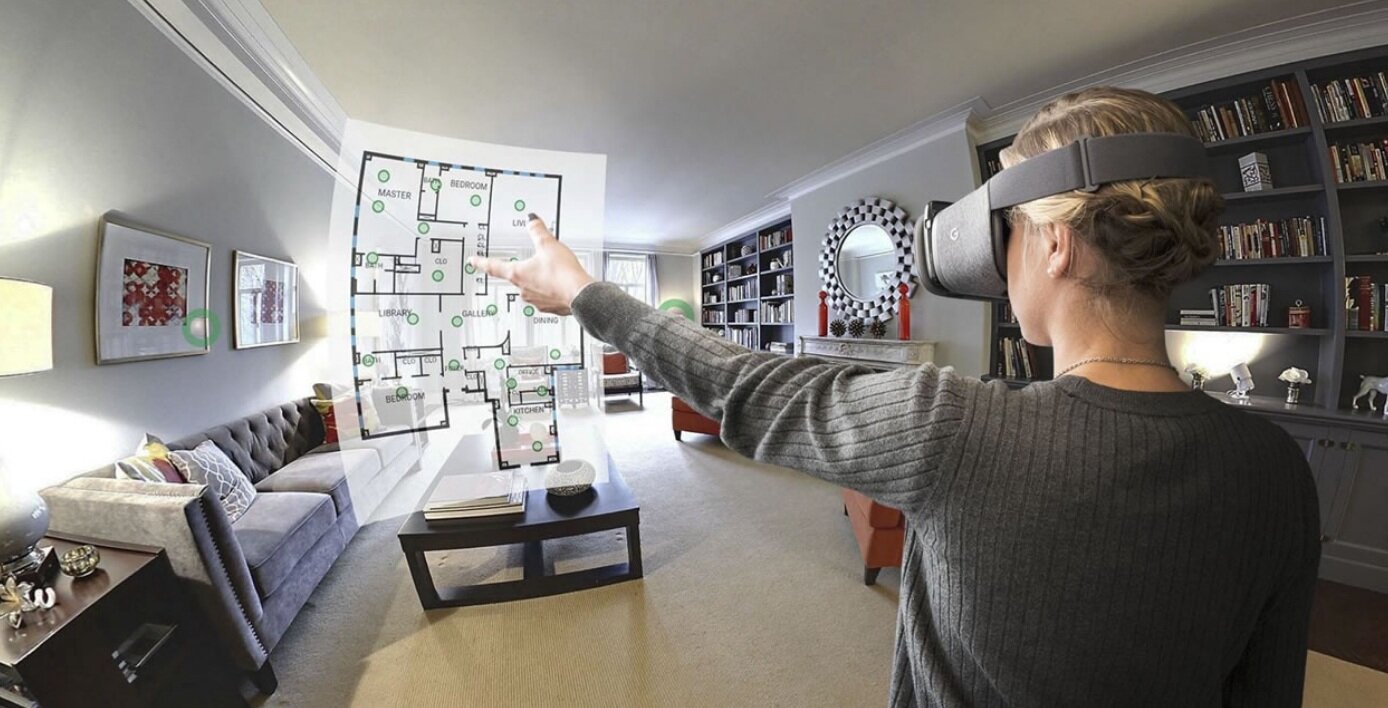
Virtual reality allows the creation of realistic 3D models of real estate objects, providing users with a sense of full presence. The main applications of VR in real estate include:
Benefits of VR for Real Estate Agencies and Developers
Implementing VR technologies in real estate provides companies with significant advantages:
Successful VR Use Cases in Real Estate
1. Zillow
Zillow is one of the largest real estate platforms in the U.S. that implemented 3D tour technology to enhance the home search experience. With Zillow 3D Home, realtors and homeowners can create interactive VR property reviews.
2. Redfin
Redfin offers virtual tours of real estate properties, allowing potential buyers to explore the property in detail before an in-person visit.
3. Matterport
Matterport specializes in creating 3D models of real estate, providing realtors and developers with tools for interactive VR tours.
4. Dubai Properties
Dubai Properties actively uses VR to showcase their projects, giving clients the opportunity to view properties remotely.
5. AESTAR – Interactive Design of a Future House
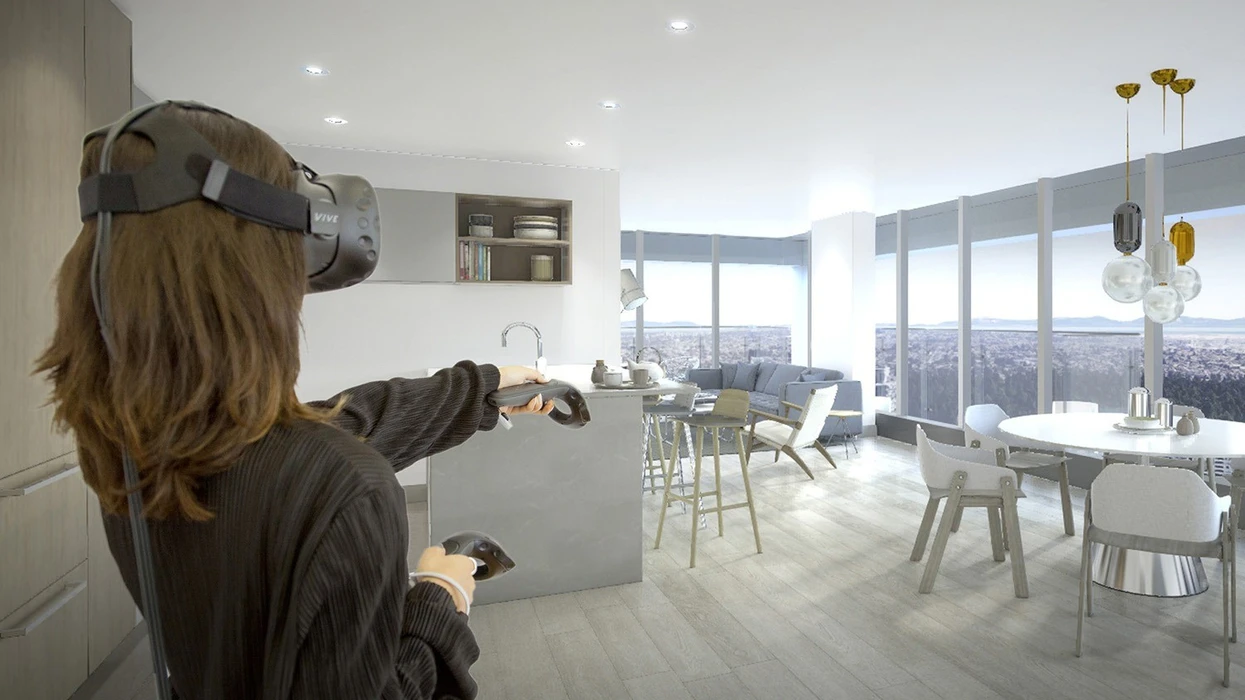
The AESTAR team developed an innovative project called Interactive Design of a Future House, allowing users to explore and customize the design of a house in virtual reality. This solution helps architects, developers, and buyers evaluate the layout and interior design at the project stage.
The Future of VR in Real Estate
Virtual reality technologies continue to evolve, opening up new possibilities:
Conclusion
VR in real estate is not just an innovation but a tool that is transforming the market. Virtual tours, 3D visualization, and personalized settings make the selection process more convenient and efficient. Companies that are already integrating VR today gain a competitive advantage and set new standards for customer interaction.
If you want to integrate VR into your business, reach out to the AESTAR team and explore new horizons in the real estate market!


