
Remember the days when buying clothes online meant relying on a single grainy photo and a prayer that it would fit? Those days are gone. Today’s customers are spoiled. They don’t just want to look — they want to control the process. This is where 3D configurators take the stage. And no, this isn’t just a trendy feature to entertain a site visitor while they drink their coffee. This is a cold calculation by Aestar that turns user doubt into a “Buy Now” click. Let’s break down how it works, who is using it, and why it’s time for businesses to stop ignoring this tool.
By the Numbers: How It Affects Revenue
Let’s get straight to the point. Marketers can talk about “engagement” and “innovation” all day, but a business owner only cares about ROI (Return on Investment). Here is what the dry e-commerce market statistics (Shopify and Forbes data) say:
– Conversion Growth: Products with 3D content show a 94% higher conversion rate than those with static images alone.
– Reduced Returns: Using configurators reduces product returns by 40%. The logic is simple: if a person assembled the product themselves, they know exactly what will arrive in the mail.
– Willingness to Pay More: Customers are willing to pay up to 20% more for a product they customized themselves.
A common question arises: How does a 3D configurator affect website SEO? Beyond conversion rates, tools from Aestar keep users on the page 3-4 times longer. For Google, this is a clear signal that the content is highly relevant, which boosts the site’s ranking in search results.
Who is Already Profiting?
If you think AR, VR, and 3D technologies are only for giants like Tesla, you are mistaken. The technology has gone mainstream:
1. Furniture and Decor (IKEA, Crate & Barrel): This is the #1 niche. Buying a sofa without knowing how it will look in your living room is a lottery. Configurators allow users to change fabric, legs, and corner configurations.
2. Apparel and Footwear (Nike By You): The Nike case is textbook. They allowed users to create their own shoe designs. It’s not just a sale; it’s a sale of self-expression.
3. Jewelry (Pandora, Blue Nile): Choosing a ring is a stressful process. A configurator allows you to select the metal and stone, removing the fear of making a mistake.
Here, clients often ask: What is the difference between a 3D model and a 3D configurator? A standard 3D model is just a static visual object. A configurator developed by Aestar is a complex software solution with built-in business logic that allows for real-time interaction and parameter changes.
Hidden Potential: B2B and Complex Equipment
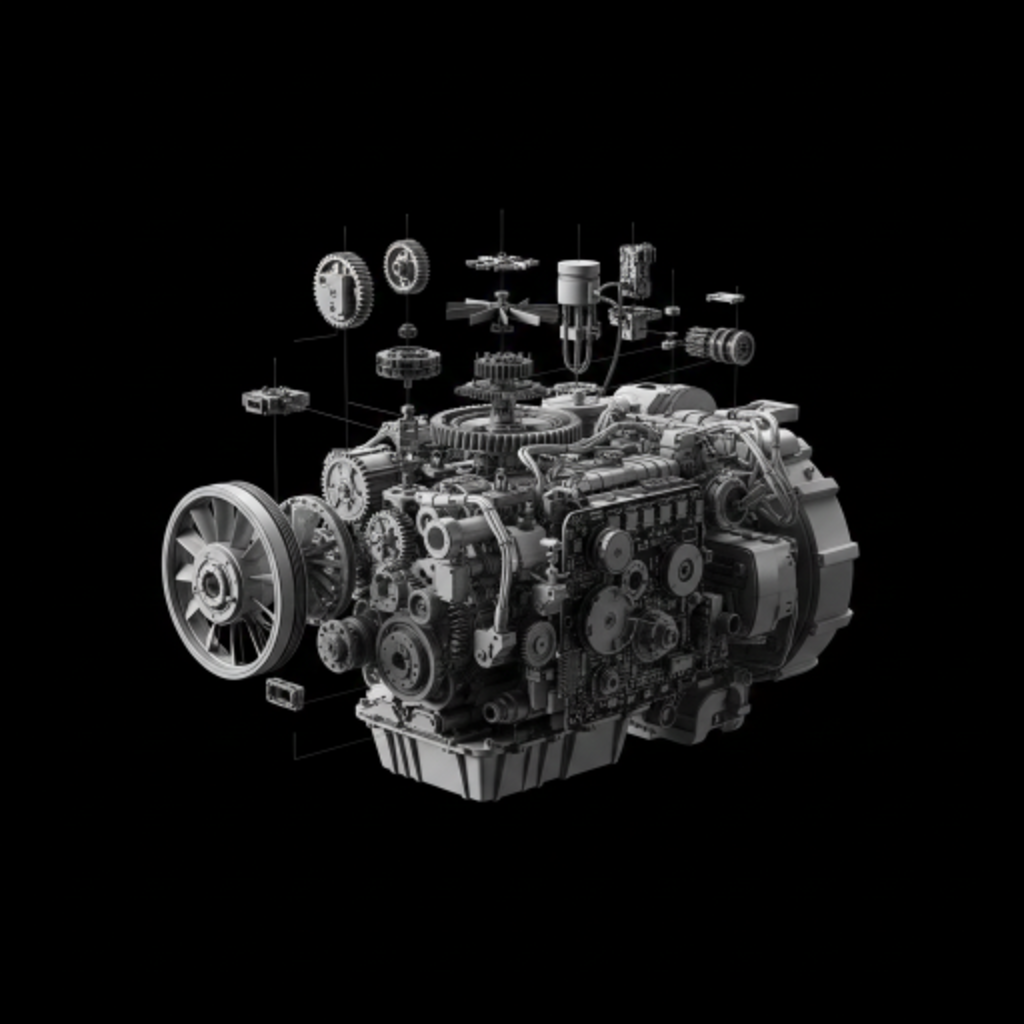
This is where it gets interesting. Real money often lies in the B2B sector. Imagine you sell industrial fans or modular warehouses. Previously, the process looked like this: a client sends a request, and managers spend a week calculating the estimate. With a 3D configurator, the customer assembles the required configuration on the site, and the system automatically checks part compatibility.
When companies evaluate how much it costs to develop a 3D configurator, they often overlook the savings. It saves hundreds of hours of manual labor and eliminates human error. At Aestar, we create solutions where the system automatically generates a preliminary price for the customer, accelerating the deal closing significantly.

The Technical Side: Avoiding “Lag”
Now for the reality check. Making a 3D configurator that doesn’t work is very easy. Simply upload “heavy” models and fail to optimize the code. If your configurator takes longer than 3-5 seconds to load, you’ve lost the customer. Quality development requires:
– Low-poly modeling: Creating models that look realistic but “weigh” very little.
– WebGL optimization: Technology that allows 3D to be displayed directly in the browser.
– Correct architecture: Ensuring that the logic of replacing parts triggers instantly.
This is where many “DIY” attempts fail. At Aestar, we know how to balance a photorealistic image with high loading speeds.
A 3D configurator is no longer about the “wow effect.” It’s about respecting your client’s time and providing confidence in their purchase. While some companies continue to upload flat images, Aestar clients give their audience full freedom of action. Guess who ends up making the sale?


